
Firestop in Transmission & Distribution
Firestop in Transmission & Distribution
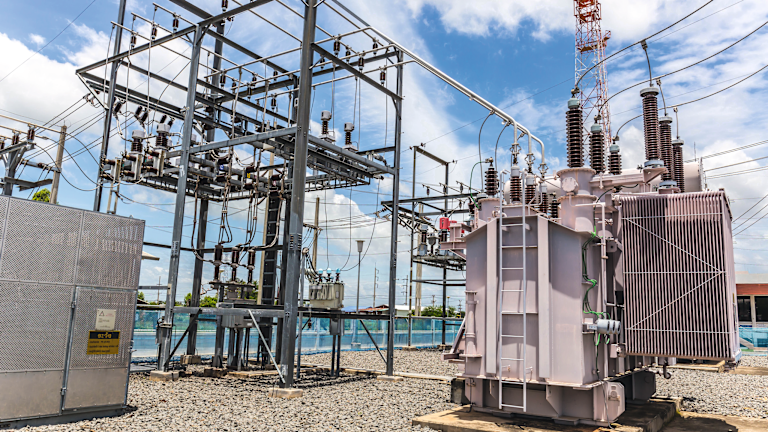
Rising electricity demand is increasing the importance of transmission and distribution infrastructure, with substations serving as important nodes in power-delivery networks. Passive fire protection is intended to help maintain the required fire compartmentation and limit the spread of fire, smoke and heat. Depending on applicable requirements, firestop systems may also need to address additional performance criteria such as resistance to water ingress, air leakage, blast resistance, chemical compatibility, electromagnetic protection and resistance to environmental or operational stresses. The article brings together the principal substation risks, relevant codes and standards, application areas and system-selection principles for engineering, construction and operations teams. It provides general engineering considerations and does not replace project-specific design, applicable codes, approval or listing checks, Hilti technical documentation, or installation instructions.
Substation areas and firestop exposure
A substation contains distinct zones like outdoor switchyards, cable trenches, tunnels and galleries, caverns, transformer bay areas, cable basements, gas-insulated switchgear rooms and control rooms. Across these zones, penetrations and joints may affect the performance of fire-rated barriers and, depending on the location and construction, may also create potential paths for fire, smoke, heat, flood water or gases. The selected firestop design should therefore be specified and installed so that the required compartment performance is fulfilled within the scope of relevant applicable approvals, listings or other assessment criteria. Cable, pipe, duct and busbar arrangements, as well as foreseeable service modifications, should be considered during design.
Substations may present significant fire and operational hazards due to the concentration of electrical equipment, cables and, in certain areas, combustible materials. A fire strategy should be established early and coordinated with structural design, equipment and material selection, safety areas, equipment spacing and compartmentation. Large or mixed-service openings are common, so the permitted opening size, penetrant arrangement, spacing and annular gaps defined by the applicable tested, listed, approved or evaluated system are important selection factors. Firestop solutions should be specified at the design stage with appropriate specialist input, including consideration of pre-formed solutions where future cable-capacity changes are anticipated.
Firestop design may also need to account for electrical and environmental hazards. Depending on the project and the documented performance of the selected system, relevant criteria may include electromagnetic performance, grounding and bonding, resistance to flood water ingress , or protection against environmental and operational exposure. High humidity, dust, flooding, cable movement and damage from rodents or other animals may be relevant to the risk assessment in certain locations. Any statement about product or system performance must be verified against the applicable Hilti technical documentation, approval, listing, test or evaluation documentation and installation instructions, and should be reviewed by the responsible BU Code & Approval team before release.
Codes, classifications and approvals
Across META, firestop requirements are defined by applicable national and local building and fire regulations, Civil Defence or relevant authority requirements, and project specifications. Depending on the market and project, EN-based and ASTM/UL-based frameworks may apply.
For penetration and linear joint seals, key references include EN 1366-3, EN 1366-4 and EN 13501-2. Where ASTM/UL frameworks apply, relevant standards include ASTM E814 / UL 1479 for penetrations and ASTM E1966 / UL 2079 for fire-resistive joints. EN 13501-1 separately addresses reaction-to-fire classification.
For power-sector applications, references such as IEC 61936-1, IEEE 979, CIGRE Technical Brochure 537 and NFPA 850 may also apply according to their respective scope.
For every META project, the selected firestop system must be verified against applicable local regulations, authority requirements, project specifications, and its documented tested or approved field of application.